Mastering the Art of Blog Content Writing: A Step-by-Step Guide to Success
Welcome to the world of blog content writing, where creativity and strategy come together to engage and inform your audience. In this comprehensive tutorial, you will learn the essential steps to create high-quality content for your blog, tailored to the Asian tone and language. Whether you're a beginner or an experienced writer, this guide will provide you with the tools and techniques to take your blog writing to the next level. From understanding your audience to optimizing your content for search engines, we'll cover it all. So, let's dive in and explore the art of blog content writing.
Step 1: Understanding Your Target Audience and Creating Relevant Content for Blog Writing
To create effective content, you need to know who your audience is, what they're interested in, and what problems they're trying to solve. In the Asian context, it's essential to consider cultural nuances and preferences when developing your content strategy. For instance, in Japan, audiences tend to prefer more formal and respectful language, while in India, a more conversational tone is often preferred. Take the time to research your target audience, analyze their behavior, and identify their pain points. This will help you create content that resonates with them and addresses their needs. Consider creating buyer personas to guide your content creation process. For example, if you're writing about fashion in Korea, your persona might be a young adult interested in K-pop and Korean street fashion.

Step 2: Brainstorming and Planning Your Content for Blog Writing Success
Once you have a deep understanding of your audience, it's time to start brainstorming and planning your content. This involves coming up with ideas, topics, and formats that will engage and inform your audience. Consider using mind maps, lists, or even freewriting to generate ideas. In the Asian culture, it's common to prioritize harmony and group consensus, so consider brainstorming sessions that encourage collaboration and respect for others' opinions. Make sure to plan your content in advance, using a content calendar to organize and schedule your posts. This will help you stay consistent, ensure a steady flow of content, and avoid last-minute rushes. For example, if you're writing about Chinese New Year traditions, you might plan a series of posts exploring different aspects of the holiday, such as food, decorations, and customs.

Step 3: Crafting Compelling Headlines and Introductions for Blog Content Writing
Your headline and introduction are the first impressions your audience will have of your content, so it's crucial to get them right. In the Asian culture, it's common to prioritize respect and humility, so consider using more modest language in your headlines and introductions. A good headline should be attention-grabbing, informative, and creative, while your introduction should provide context, establish your tone, and draw the reader in. Use action verbs, questions, or statements that create curiosity to make your headlines more compelling. For example, "Discover the Secret to Making Perfect Japanese Ramen" or "Unlock the Power of Korean Skincare Routines." When it comes to your introduction, keep it concise, clear, and engaging, providing a brief overview of what your content will cover.

Step 4: Writing Engaging and Informative Content for Blog Writing
Now it's time to start writing your content, using the plans and ideas you've developed. Remember to keep your audience in mind, using language and tone that resonates with them. In the Asian context, it's essential to consider cultural references, idioms, and expressions that will make your content more relatable and authentic. Use a conversational tone, but also ensure your content is well-structured, easy to follow, and free of errors. Break up your content with subheadings, bullet points, and short paragraphs to make it more scannable and readable. Consider using storytelling techniques, such as anecdotes, examples, or metaphors, to make your content more engaging and memorable. For instance, if you're writing about the history of Chinese calligraphy, you might use a story about a famous calligrapher to illustrate the art form's evolution and significance.

Step 5: Optimizing Your Content for Search Engines and Social Media
Once you've created your content, it's time to optimize it for search engines and social media. This involves using keywords, meta tags, and descriptions to help your content rank higher in search engine results. In the Asian market, it's essential to consider local search engines, such as Baidu in China or Naver in Korea, and optimize your content accordingly. Use tools like Google Keyword Planner or Ahrefs to research relevant keywords and phrases, and incorporate them naturally into your content. Don't forget to optimize your images, using descriptive alt tags and file names that include your target keywords. Finally, share your content on social media platforms, using engaging captions and hashtags to increase visibility and reach a wider audience.

Step 6: Editing and Refining Your Content for Blog Writing Perfection
The final step in the content creation process is editing and refining your work. This involves reviewing your content for clarity, coherence, and consistency, ensuring it meets your high standards. In the Asian culture, it's common to prioritize perfectionism and attention to detail, so consider having a second pair of eyes review your content before publication. Check for grammar, spelling, and punctuation errors, as well as factual inaccuracies or outdated information. Use tools like Grammarly or Hemingway Editor to help you refine your writing and simplify your language. Consider getting feedback from peers or mentors to identify areas for improvement and ensure your content is the best it can be.

By following these steps and tips, you'll be well on your way to creating high-quality content that resonates with your audience and establishes your brand as a thought leader in the Asian market. Remember to stay focused, keep learning, and continuously improve your craft to achieve success in the world of blog content writing.
Frequently Asked Questions
Q: What is the most important aspect of blog content writing? A: Understanding your target audience and creating content that resonates with them is crucial for success.
Q: How often should I post new content on my blog? A: Consistency is key, but the frequency of your posts will depend on your audience's needs and preferences. Consider starting with a weekly or biweekly schedule and adjusting as needed.
Q: What is the best way to optimize my content for search engines? A: Use relevant keywords, meta tags, and descriptions, and optimize your images to help your content rank higher in search engine results.
Q: How can I make my content more engaging and shareable? A: Use storytelling techniques, include visuals and multimedia, and encourage audience participation through comments and social sharing.
Mastering Blog Content: Strategies To Boost Brand Awareness

Mastering Blog Content: Strategies to Boost Brand Awareness
Tips For Writing Engaging Blog Content From Scratch | Sociamonials Blog
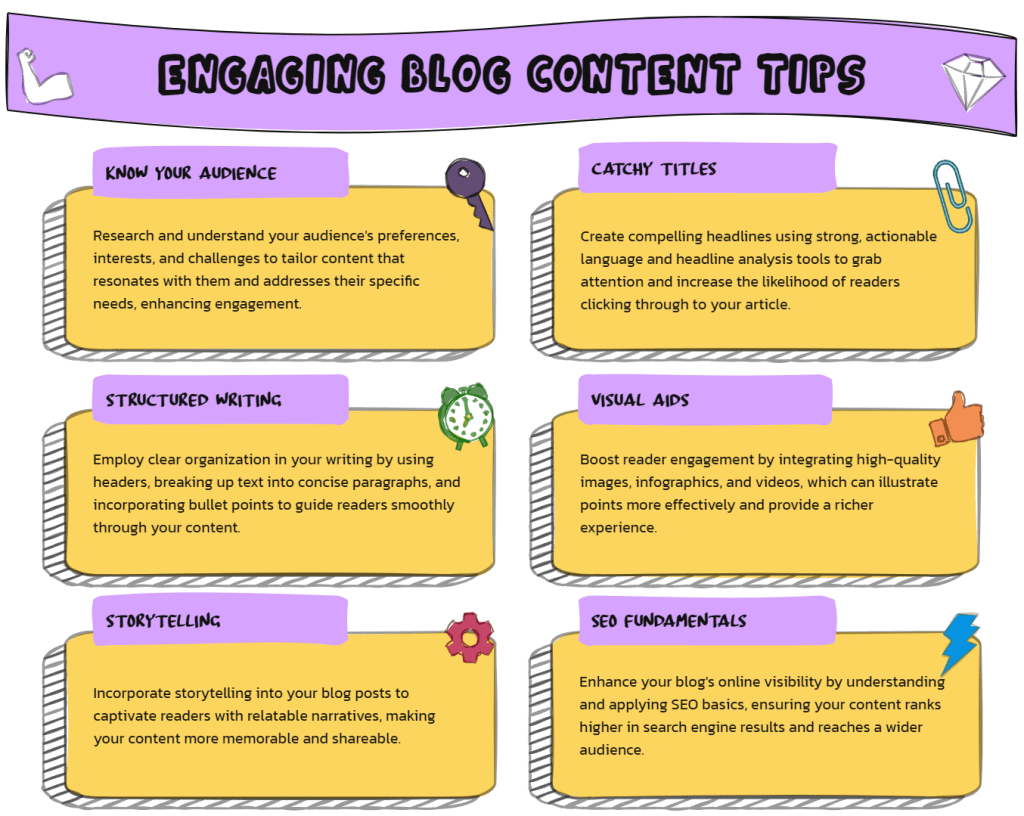
Tips for Writing Engaging Blog Content From Scratch | Sociamonials Blog
How To Write And Structure A Blog Post Your Readers And Google Will Love
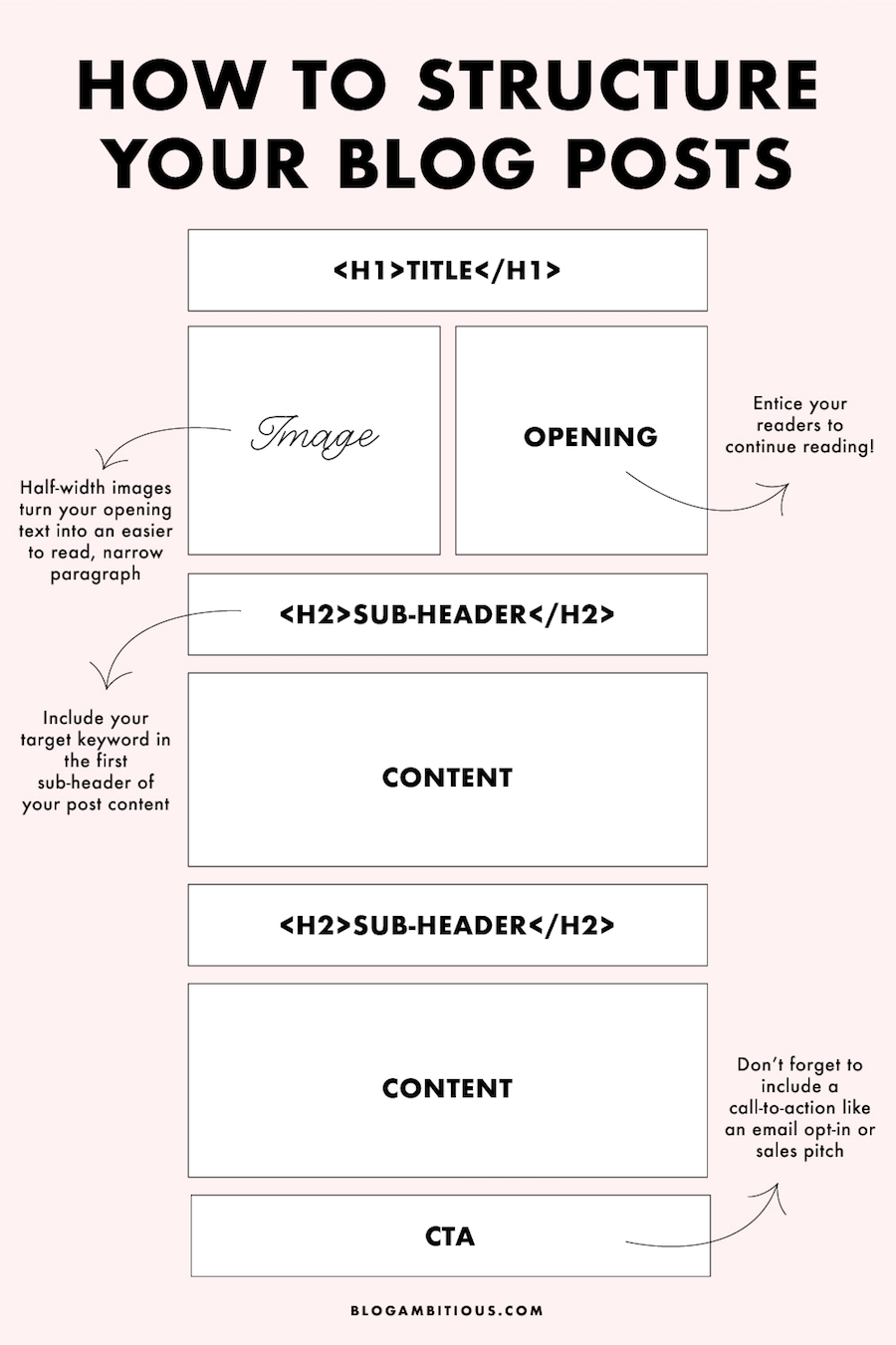
How to Write and Structure a Blog Post Your Readers and Google Will Love