Creating Your Own Blog: A Step-by-Step Guide to Starting a Successful Blog
Are you looking to share your thoughts, experiences, and expertise with the world? Having your own blog is a great way to establish yourself as an authority in your niche, build a community, and drive traffic to your website. In this tutorial, you will learn how to create your own blog from scratch, including planning, designing, and publishing your content. By the end of this guide, you will have a fully functional blog that showcases your unique voice and style. Whether you want to create a blog for personal or professional purposes, this step-by-step guide will walk you through the process of starting a successful blog.
Step 1: Choose a Niche for Your Blog
Before you start creating your blog, it's essential to decide on a niche or topic that you want to focus on. This could be anything from fashion, beauty, or lifestyle to technology, travel, or food. Choose a niche that you are passionate about and have some expertise in, as this will make it easier to create content and attract an audience. Consider what problems you can solve for your readers, what questions you can answer, and what unique perspective you can bring to the table. For example, if you're a fashion enthusiast, you could create a blog that showcases the latest trends, provides styling tips, and reviews fashion products. 
Step 2: Select a Blogging Platform and Register a Domain Name
Once you have decided on a niche, it's time to choose a blogging platform and register a domain name. There are many platforms to choose from, including WordPress, Blogger, and Medium. Consider the ease of use, customization options, and integrations with social media and other tools. Registering a domain name is also crucial, as it will give your blog a professional and memorable address. You can register a domain name through a registrar such as GoDaddy or Namecheap. For example, if you choose to create a blog on WordPress, you can register a domain name like "myfashionblog.com" and set up a custom email address like "hello@myfashionblog.com". 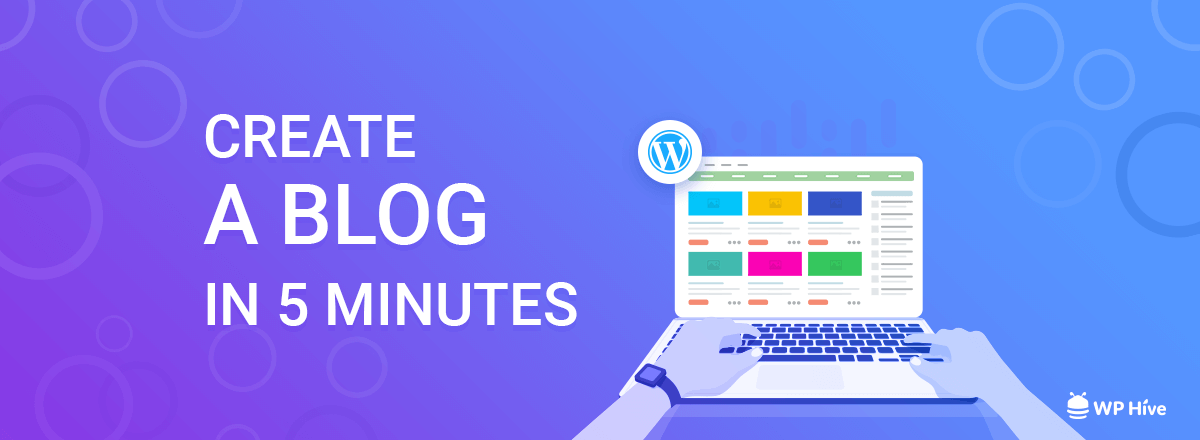
Step 3: Plan Your Blog Content and Create a Content Calendar
Planning your blog content is essential to creating a consistent and engaging stream of posts. Start by brainstorming ideas, identifying your target audience, and creating a content calendar. A content calendar will help you organize your ideas, schedule your posts, and ensure that you are posting regularly. Consider the type of content you want to create, such as articles, videos, or podcasts, and the frequency of your posts. You can use a tool like Google Calendar or Trello to create a content calendar and collaborate with other authors or contributors. For example, if you're creating a fashion blog, you could plan a series of posts around a specific theme, such as summer fashion trends or winter outfit ideas. 
Step 4: Design Your Blog and Customize Your Theme
Designing your blog is a crucial step in creating a visually appealing and user-friendly website. Choose a theme that aligns with your brand and niche, and customize it to suit your needs. Consider the color scheme, typography, and layout of your blog, as well as the mobile responsiveness and loading speed. You can use a theme Customizer or a page builder like Elementor or Beaver Builder to design your blog and create a unique look and feel. For example, if you're creating a food blog, you could choose a theme with a warm and inviting color scheme and a layout that showcases your recipes and images. 
Step 5: Create High-Quality and Engaging Content
Creating high-quality and engaging content is essential to attracting and retaining an audience. Consider the type of content you want to create, such as articles, videos, or podcasts, and the format of your posts. Use a conversational tone, provide valuable insights, and optimize your content for search engines. Use headings, subheadings, and bullet points to make your content scannable and easy to read. For example, if you're creating a blog post about the latest fashion trends, you could use a heading like "Summer Fashion Trends to Watch" and provide tips and examples of how to style the latest outfits. 
Step 6: Promote Your Blog and Engage with Your Audience
Promoting your blog and engaging with your audience is crucial to building a loyal following and driving traffic to your website. Consider social media marketing, email marketing, and collaborations with other bloggers or influencers. Use social media platforms like Instagram, Facebook, and Twitter to share your content, respond to comments, and engage with your audience. For example, if you're creating a fashion blog, you could share your latest outfit posts on Instagram and use relevant hashtags like #fashionblogger or #styleinspiration. 
Frequently Asked Questions
Q: How do I create a blog if I have no technical experience? A: You can use a blogging platform like WordPress or Blogger that offers a user-friendly interface and customization options. Q: How do I promote my blog and get more traffic? A: You can use social media marketing, email marketing, and collaborations with other bloggers or influencers to promote your blog and drive traffic to your website. Q: How do I monetize my blog and earn income? A: You can use affiliate marketing, sponsored posts, and advertising to monetize your blog and earn income. Q: How do I ensure that my blog is secure and protected from hackers? A: You can use a security plugin like Wordfence or MalCare to protect your blog from hackers and malware. Q: How do I create a successful blog and build a loyal following? A: You can create high-quality and engaging content, promote your blog and engage with your audience, and use analytics and feedback to improve your blog and content.
How To Create Better Blog Content - FastWebHost - Web Hosting Blog
How to Create Better Blog Content - FastWebHost - Web Hosting Blog
How To Start A Blog For Your Business — Content Queen Mariah

How to start a blog for your business — Content Queen Mariah
How To Create Blog Content Regularly When You Don't Have Time
How to Create Blog Content Regularly When You Don't Have Time